
DTF Printing: Advantages and Limitations
페이지 정보

본문
Direct-to-film (DTF) technology has become a widely adopted method for transferring richly colored designs onto textiles, especially in promotional wear and marketing giveaways. One of the most significant advantages is the quality of the prints. DTF allows for photorealistic full color images with true-to-life hues and fine-line sharpness, even on low-contrast substrates. Unlike traditional screen printing, it doesn’t require color-specific stencils, which makes low-volume runs more economical and rapidly turnaround. It also works well on a broad range of materials including cotton, synthetic textiles, blends, and even some rigid substrates like wood panels or metal with the appropriate surface treatment.
Another benefit is the longevity of the prints. dtf transfer printer transfers are known to withstand frequent cleaning without cracking or bleaching, making them ideal for daily use. The process is also low-waste and doesn’t produce excessive byproducts or chemical runoff compared to traditional industrial methods. Setup is straightforward and doesn’t require extensive training, which makes it ideal for startups looking to start a custom print venture.
However, DTF printing isn’t without its drawbacks. The initial investment in equipment can be steep, especially when compared to basic heat transfer vinyl setups. The industrial transfer units, adhesive applicators, and heat press units can add up quickly, making it less feasible for beginners with minimal capital. The process also involves several manual steps, including evenly spreading powder and activating the ink, which can create bottlenecks if not integrated with robotics. There’s also a skill gap to achieve consistent results, as factors like environmental dampness, powder distribution, and curing time can alter the final product.
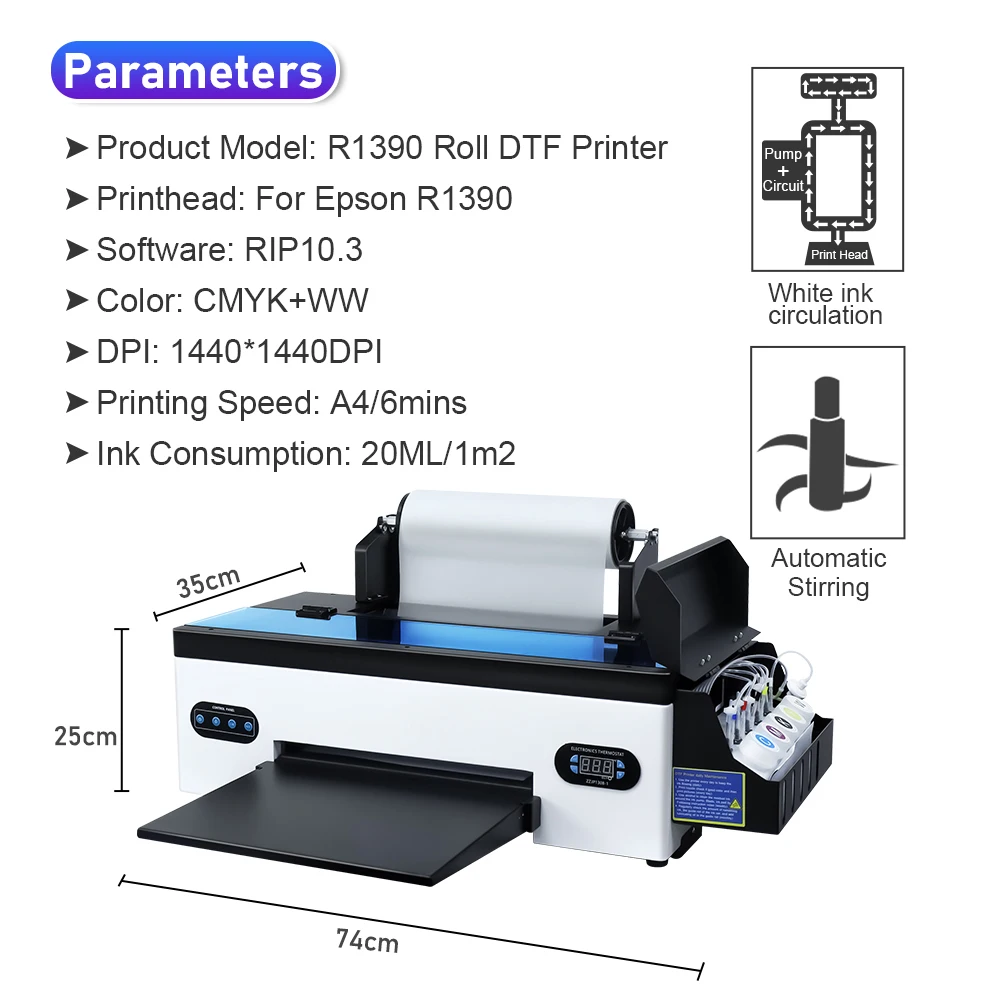
Additionally, while DTF works on many fabrics, it doesn’t always perform consistently on every surface. Some rough or elastic materials can cause issues with sticking or distortion. The finished prints have a noticeable film layer, which some customers may find less breathable than direct to garment printing. Lastly, because DTF relies on a transfer film, it’s not as efficient for extremely large volume orders, where industrial silk screening still holds an advantage in cost per unit.
Overall, DTF printing is a flexible and premium option for businesses that need flexibility in design and moderate production volumes, but it requires a careful integration of capital, labor, and expertise to master consistently.
- 이전글Answers about Medication and Drugs 26.04.18
- 다음글WhatsApp Hash Channel Format Explained 2026: 6 Segment Structure for Bulk Messaging 26.04.18
댓글목록
등록된 댓글이 없습니다.