
The Difference Between Bagged and Bagless Vacuums
페이지 정보

본문
When choosing a vacuum cleaner, one of the key decisions many people face is whether to go with a bagged model or a dustbin-style vacuum. Both types have their own strengths and weaknesses and understanding the difference can help you make a better choice for your living space and regular tidying routine.
Vacuums with disposable bags use single-use collection bags to collect dust and debris. Once the bag is full, you simply discard the full bag and install a replacement. This method minimizes airborne mess and limits allergen release when emptying. Many people appreciate this because it can be particularly beneficial for those with respiratory issues or airborne particle concerns. The closed-loop filtration of a bagged vacuum often means fewer airborne particles are released back into the air during disposal. Bagged models also tend to maintain consistent suction power throughout use, since the bag is designed to filter effectively until it is full. However, the ongoing cost of buying new dust bags can add up over time and you need to ensure compatibility when you need them.
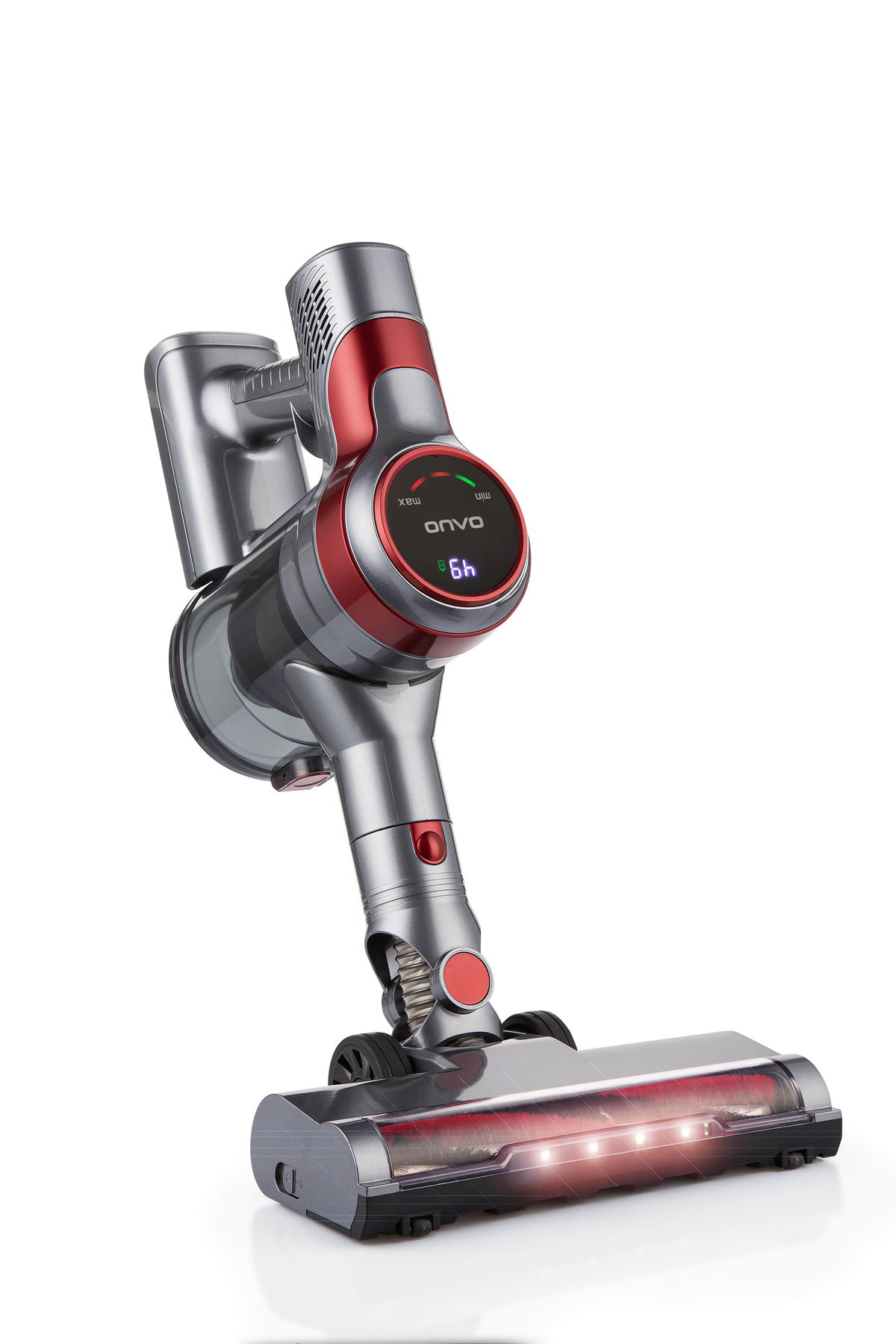
Dustbin vacuums use a washable collection chamber that you empty by hand. These models are popular because they remove ongoing bag costs, which can reduce long-term spending. Emptying a bagless vacuum is usually easy and hassle-free, but it does mean you are in direct contact with the debris. Some people find this unhygienic or off-putting, especially if they are easily irritated by airborne particles. Modern bagless models often come with cleanable HEPA filters and multi-stage air vortex systems that help isolate debris from airflow, which can improve suction retention. However, if the filter is left unattended, the vacuum can diminish in cleaning strength and performance may deteriorate. Also, if the bin is inadequately closed during emptying, allergens may disperse into the air.
Another consideration is debris storage ability. Bagged vacuums typically offer greater storage before needing attention, since the bags are spacious and flexible. Bagless models have a non-expandable chamber and may need to be replenished regularly, especially in homes with pets. On the other hand, bagless vacuums often give you a visual indicator of how full the bin is, so you know precisely when maintenance is needed.
Maintenance is another factor. Bagged vacuums require infrequent servicing of internal components, şarjlı dikey süpürge since the bag acts as the main filter. Bagless vacuums require you to periodically wash or swap filters and clean the entire collection chamber to keep performance at peak levels. Neglecting this maintenance can lead to funky smells or weaker suction.
Ultimately, the best choice depends on your lifestyle needs. If you value convenience and minimal dust exposure, a bagged vacuum may be perfect. If you prefer to minimize long-term expenses and don’t mind a bit of extra upkeep, a bagless model might suit you better. Both types can perform efficiently, so it comes down to what matches your habits and home environment.
- 이전글Установка системы ГЛОНАСС 26.04.18
- 다음글Kraken зеркала - Полный список kraken зеркала на апрель 2026: рабочие адреса площадки 26.04.18
댓글목록
등록된 댓글이 없습니다.